TL;DR
- A domain name is your website’s address that people type into their browser.
- Web hosting is the service that stores your website’s files and makes them accessible online.
- You need both a domain name and web hosting for a website to work.
- The domain points visitors to your hosting using the DNS system.
- Choosing the right combination affects your site’s speed, reliability, security, and visibility.
Websites have become indispensable tools in today's digital era. To build a website you need to understand two crucial elements: web hosting and domain names. In this guide, we’ll help demystify the difference between web hosting and a domain name.
What is Domain and Hosting?
To begin understanding the difference between web hosting and a domain name, we need to know the basics of each.
What is a Domain Name?
A domain name is your website's address on the internet. Like physical addresses, you can only have one address on a specific location. Register .co.za domain today!
So, when a user types your domain name into their web browser, they are sent to your website. Computers read domain names as a string of numbers. Learn about the full life cycle of domains in this blog.
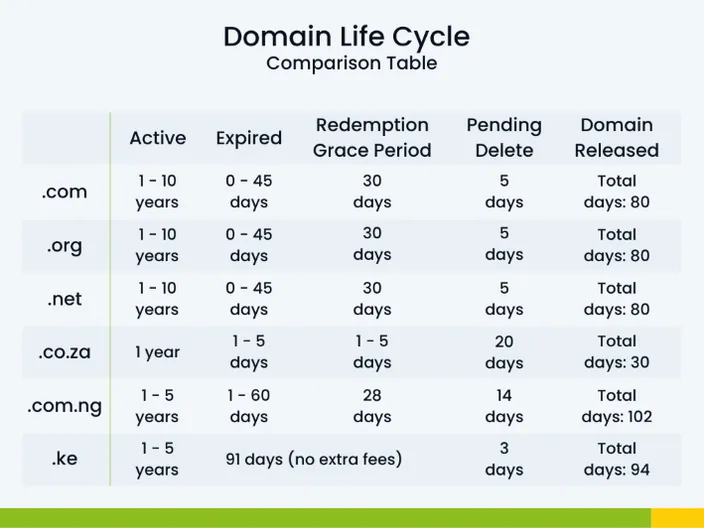
Just like getting a permit before constructing a physical building.
Domain registrars are plentiful, and you can check for domain name availability and register one with many of them. This process involves a small fee, and you'll have to renew your ownership of the domain name annually.
What is Web Hosting?
Web hosting is where your website technically lives on the internet. It's like the bricks and mortar of your website. It provides a place for all of your website's files, images, and data to stay.
A web hosting company rents you some space on their servers. Servers are extremely powerful computers that can handle the functionality of hosting multiple websites.
When a user types your domain name into their browser, the browser fetches the associated data from your web host’s server. That data put together displays your website.
Choosing the right web hosting plan depends on your particular needs:
- Website size
- Traffic volume
- Budget
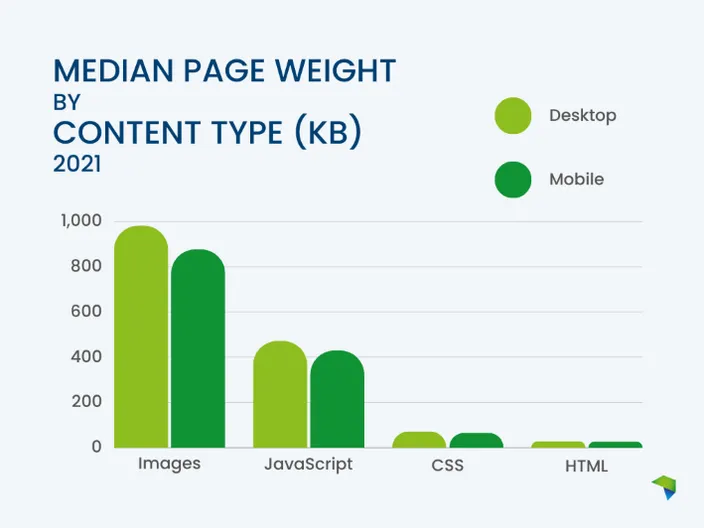
Our web hosting product page is a good starting point for figuring out what type of web hosting is suitable for your website.
Web Hosting vs Domain Name Differences
Now that you know what web hosting and a domain name is as individual concepts, let’s go over their differences.
Web Hosting: Behind the Scenes
Web hosting is all about the space and resources that your website needs to exist digitally.
Web hosts provide you with the space to store your website’s files (text, images, videos, etc.) on their servers.
They’re also responsible for ensuring that your site is running smoothly and secure. Most importantly, that it’s accessible to people who are trying to locate your site on the web.
Domain Name: The Visible Identity
On the surface your domain name seems like a simple address, but it's actually your online identity. It’s the name that your site visitors will remember you by. find out what is a parked domain.
Take a moment to think about some of your favorite websites, what pops up in your mind instantly?
The name.
That’s the power of a domain name, and why choosing a name that is succinct, catchy, and relevant to your venture is so important.
Your domain name needs to be registered to you. This way it can point those who type it in to the server that hosts your website. Domain name registrars handle the domain name registration process.
You pay a fee to these registrars to own the domain name for a period, typically a year.
So, web hosting is the mechanism that makes your website function and be accessible on the internet, and the domain name is your website’s identifier.
The brand that users will remember. They work together, yet their roles are very distinct.
In nutshell, that's the difference between a website and a domain.
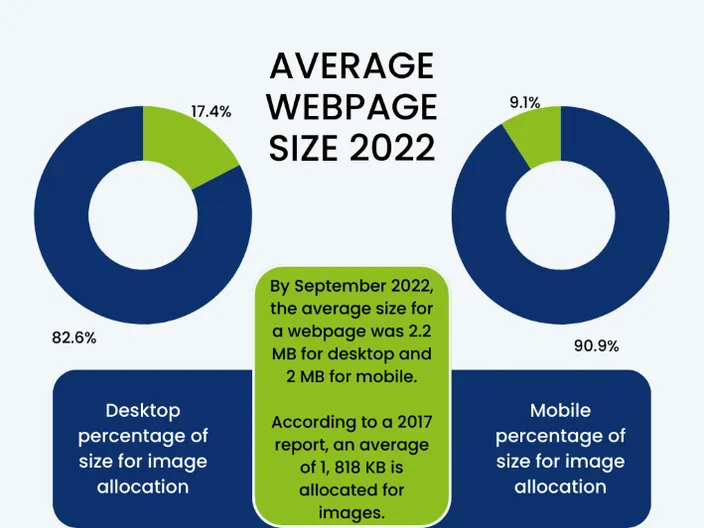
How Web Hosting and Domain Names Interact
Alone, web hosting and a domain name are not that useful, but when they’re together is when the magic happens.
Web Hosting and Domain Registration: The Connection
It's now clear that a domain name is like your house address, while web hosting is the actual house where you store all your belongings. Except instead of furniture and appliances, we're talking about website files and data.
But how do these two distinct elements work together?
When a user types your domain name into their web browser, the browser begins a process to find the server where your website lives. In this way the user accesses your website.
This process involves a trip to a directory, much like a telephone directory, but for websites. This directory is called the Domain Name System (DNS).
The DNS translates your friendly, human-readable domain name into a computer-friendly IP address that points to your web host’s server.
Once this address is located, the browser pulls the data from your server, stitches it all together, and presto! Your website content is displayed to the user.
So, your domain name helps people find your website, while your hosting makes it possible for your website to exist and function.
The Importance of a Matching Pair
Your domain name and your hosting should be a compatible pair. When you create a website, they should be working in tandem to ensure your website's reach and functionality.
Having a great domain name, but a subpar web hosting service could mean your site is slow, frequently down, or prone to security threats. This would give your visitors a terrible experience leading them to bounce soon after arrival.
Alternatively, investing in robust web hosting but choosing an eccentric, hard-to-remember domain name could mean people struggle to find your site in the first place.
So, it’s imperative to invest thought, time, and occasionally a bit more budget, to ensure you have a domain name that's easily found and remembered. One that’s powered by reliable, fast, and secure web hosting.
Together, they form the bones and brains of your website, integral to its success in the vast digital landscape.
Choosing the Right Hosting and Domain Name
Factors to Consider When Choosing
Select a hosting service and a domain name without rushing the process. Consider it as strategic as choosing a physical location and branding for a brick-and-mortar business.
When picking a domain name, put yourself in your audience's shoes. The domain name should be:
- Memorable
- Easy to type
- Directly related to your business or brand name.
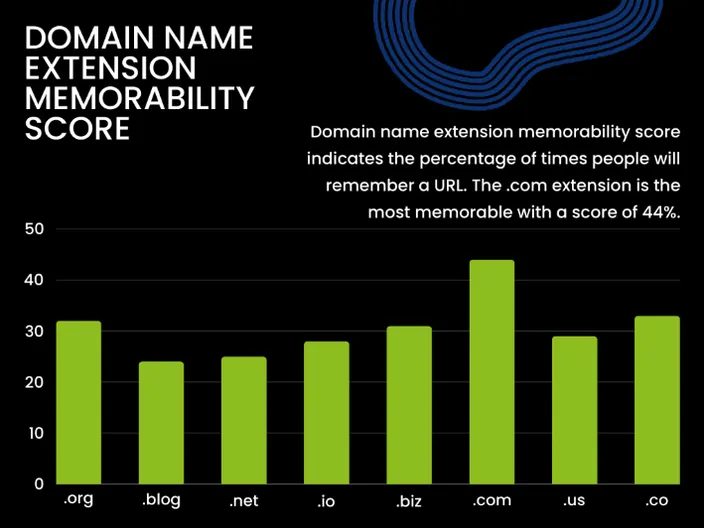
Avoid complicated spellings, long phrases or niche jargon, which users could misremember or misspell.
A .com extension is the most widely recognized, but .net, .org and more specific extensions like .io or .blog could also be appropriate depending on your website's purpose.
For web hosting, it's crucial to evaluate based on your specific needs. Think about the site traffic you expect, the types of content you'll host, and your budget. For a small blog or personal website, shared hosting might suffice.
However, for a growing business or an e-commerce site, you might need a dedicated or cloud hosting solution. Carefully assess the reliability, security parameters, customer support, scalability, and pricing before making a choice.
Where To Buy: Hosting and Domains
Domain names can be registered through many online platforms known as domain registrars.
For web hosting, many of the same platforms offer hosting services. Remember, it's not necessary to buy your domain and hosting from the same provider. Many providers offer bundle discounts or free domains that simplify the setup process.
When buying a hosting service as well as a domain, it's important to read and understand the terms of service, and always consider the renewal prices as well as introductory offers.
This can prevent unexpected costs and keep your website running smoothly. We also recommend doing some due diligence. Reading reviews and testimonials can provide valuable insights and help you make an informed choice.
Here are some of our popular hosting solutions:
FAQs: Web Hosting vs Domain Name
What is the main difference between web hosting and a domain name?
A domain name is your website’s address, while web hosting is the space where your website’s files and data are stored.
Can I have a domain name without web hosting?
Yes. You can register and own a domain without hosting, but visitors won’t see a website until the domain is connected to a hosting service.
Can I have web hosting without a domain name?
Technically yes, but it’s not practical. Without a domain name, users would need to access your site using a numeric IP address instead of a readable name.
Do I need to buy my domain and hosting from the same company?
No. You can buy them from different providers and connect them using DNS settings, although buying them together can simplify setup.
How do domain names and web hosting work together?
When someone enters your domain name, the DNS system translates it into an IP address that points to your hosting server, where your website’s files are stored.
What happens if my hosting expires but my domain doesn’t?
Your domain will still exist, but your website will go offline until hosting is restored or replaced.
What happens if my domain expires but hosting doesn’t?
Your website files will still be on the server, but visitors won’t be able to reach your site using the domain name.
Which should I choose first: domain or hosting?
It’s usually best to choose your domain name first, then select a hosting plan that suits your website’s size, traffic, and purpose.
Is web hosting the same as website building?
No. Web hosting stores your site, while website builders and CMS platforms (like WordPress) are tools used to create the site’s content and layout.
What is domain hosting?
Domain hosting refers to the service that stores and manages your domain name, making sure it’s registered to you and correctly connected to your website’s hosting server via DNS settings.
Concluding The Differences and Importance
Final Thoughts on Web Hosting vs Domain Name
We hope the fog around web hosting and domain names is finally lifted.
Understanding both components and their respective roles in maintaining your online visibility is a crucial part of your journey into the digital sphere.
Although the functions they serve are totally different, domain names and web hosting are two sides of the same coin. They both work in tandem to keep your website up and running.
Why Knowing the Difference Matters
No matter how magnificent or groundbreaking your website content is, without a domain name and web hosting, your website is just a beautiful castle built on clouds.
By understanding these terms, you're equipped to make informed decisions. You'll be able to better appreciate the infrastructure that supports your online presence.
You'll also be well-positioned to troubleshoot issues ensure your site remains accessible. Those things are key for a great experience to your valued visitors.
Keep Learning About Websites, Domains, and Hosting
Understanding the difference between web hosting and a domain name is the first step to getting your website online. These related guides explain hosting basics, domain names, website setup, domain registrars, and how to choose the right hosting option for your needs.
Related articles:
- A Beginner’s Introduction to Web Hosting (Without the Tech Confusion)
- What is Web Hosting? Detailed Definition, Types, and Pricing Explained
- What Is A Domain?
- A step by step guide to a get your own website
- Do You Really Need a Domain Name? Here’s Why It Matters
- Understand What is a Domain Registrar and Its Importance
- How to Host Your Own Website
- Web Hosting vs Cloud Hosting: Choosing the Right Solution for You